Safety Built Into Every Project
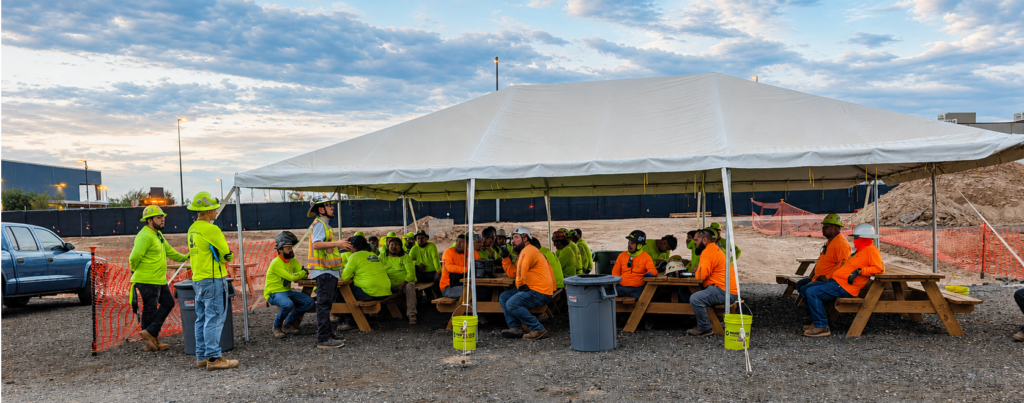
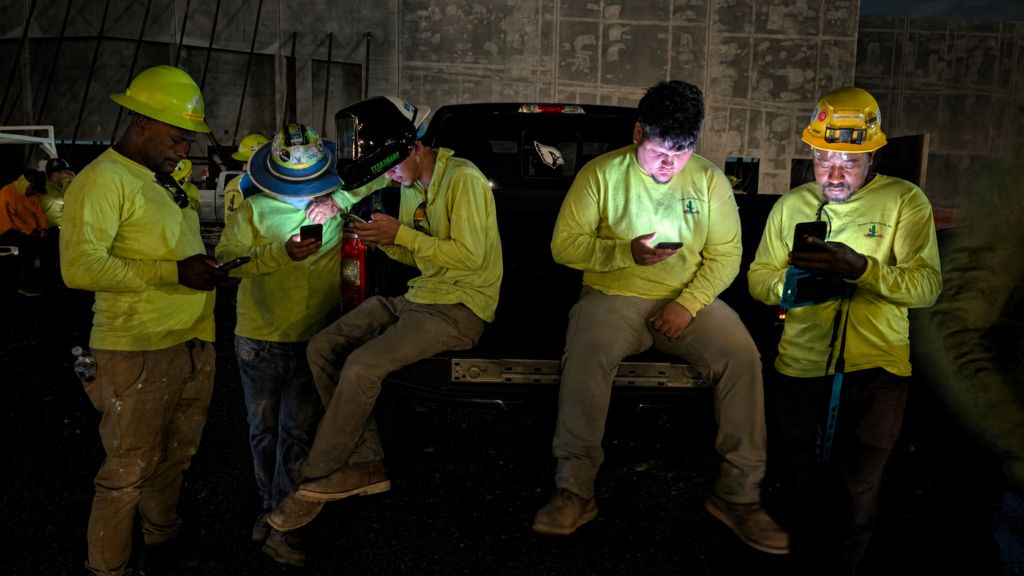
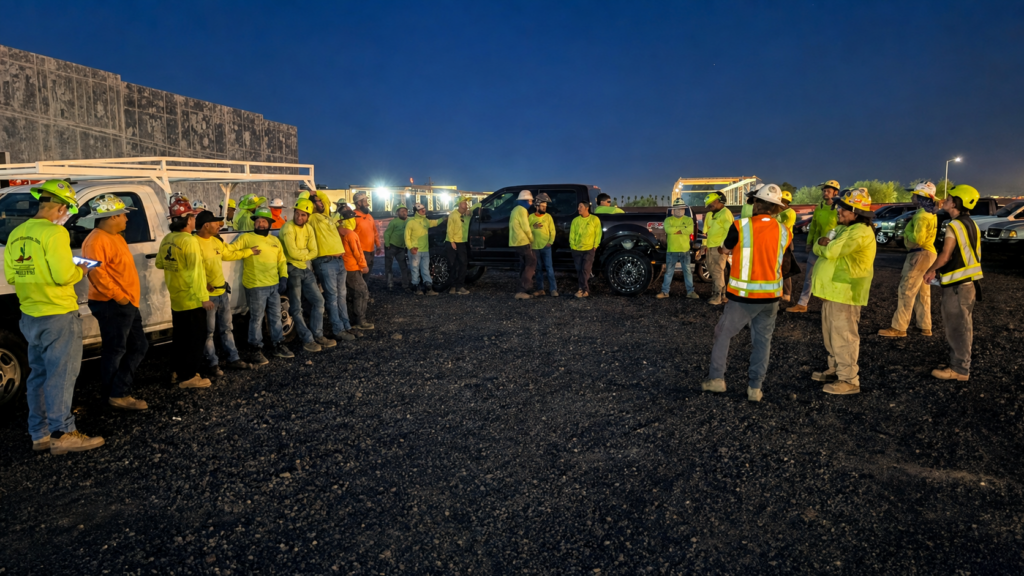
At Desert Structures, Inc., safety is part of how we plan, communicate, and perform our work. Our approach combines employee training, jobsite planning, documented inspections, appropriate personal protective equipment, and clearly communicated work-area controls.
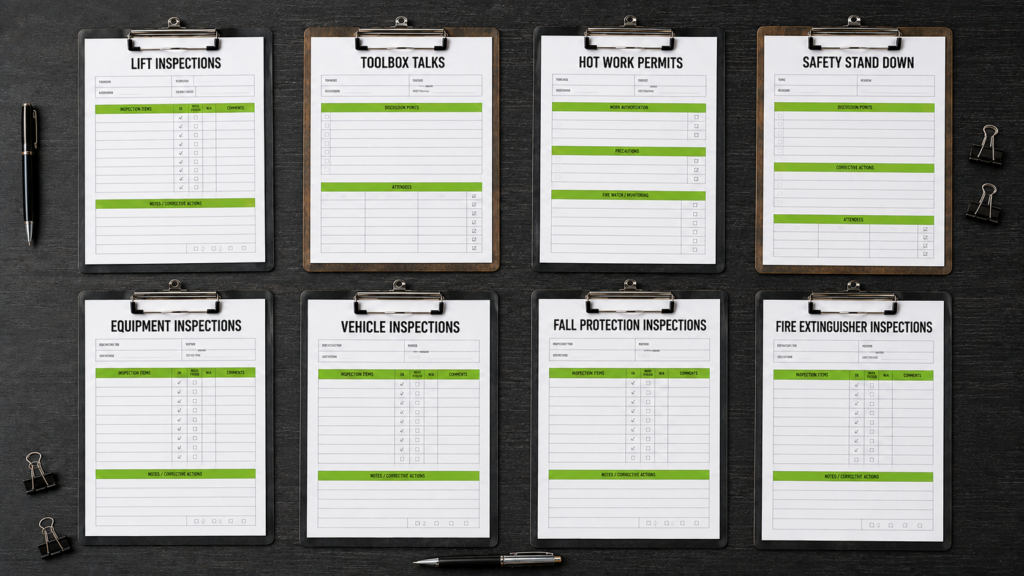
DSI uses project-specific safety documentation to support consistent communication and accountability in the field. Pre-task planning and toolbox talks, Equipment inspections, Vehicle, and Lift inspections, Fall-protection inspections, Hot-work permits, Fire-extinguisher inspections, Safety stand-down documentation, Etc.
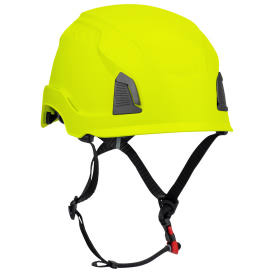
Head Protection
DSI provides protective safety helmets selected for the hazards associated with the work being performed. Our Type II helmets are designed to provide impact protection from the top and sides and include secure chin straps to help keep the helmet properly positioned.
ANSI Type II, Class E climbing-style safety helmet with MIPS impact protection and a four-point chin strap
Hand Protection
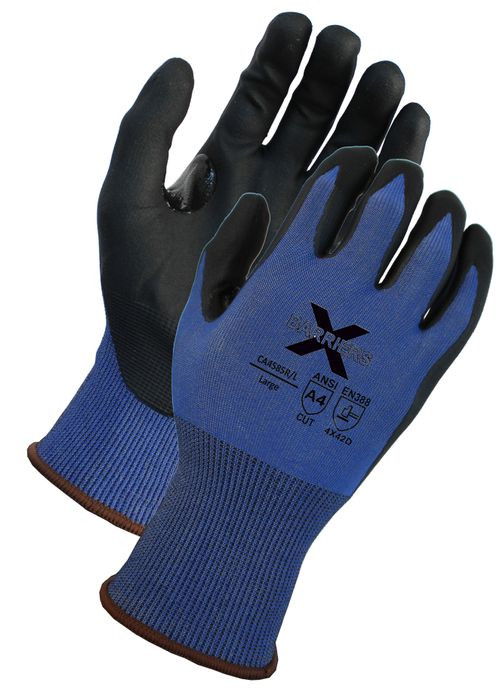
Task-appropriate hand protection is selected based on the hazards of the work. Cut-resistant, palm-coated gloves provide a combination of grip, dexterity, and protection when handling materials and performing applicable construction tasks.
18-gauge black micro-foam nitrile palm-coated gloves with ANSI A4 cut protection, providing excellent grip, dexterity, and hand protection.
Eye Protection
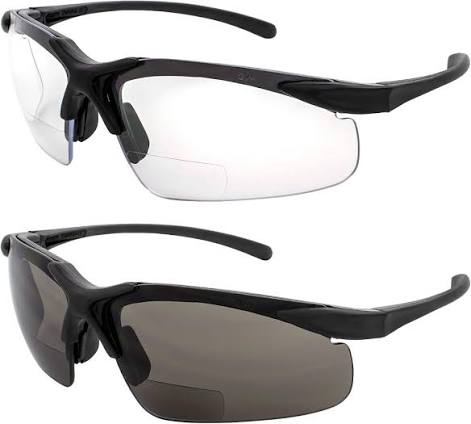
DSI uses safety eyewear designed to protect employees from applicable jobsite eye hazards. Protective eyewear is selected according to the task and may include clear or tinted lenses for different working conditions.
Safety glasses meet ANSI/ISEA Z87.1-2020 and provide 99.9% UV protection.
Work-Area Identification and Control
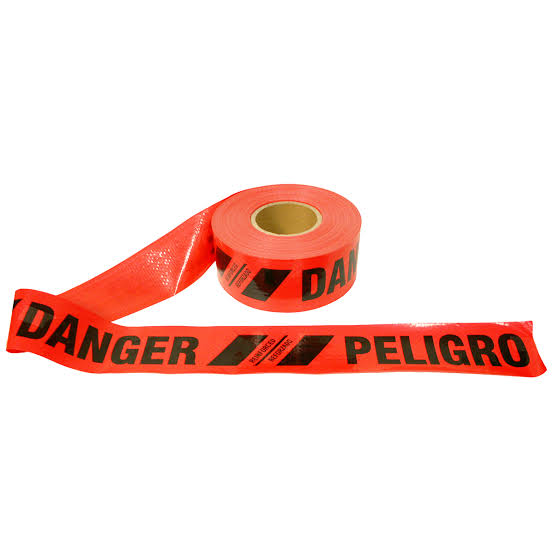
Danger tape, warning lines, signs, barricades, and other visual controls may be used to identify hazardous, restricted, or controlled work areas. The type of control is selected based on the hazard, site conditions, and work being performed.
Red reinforced danger tape used to identify and secure hazardous or restricted work areas.
Visible Boundaries
High-visibility pennant lines may be used as supplemental visual markers to help identify designated boundaries or controlled areas. They are not used as a substitute for required guardrails, barricades, warning signs, or other protective systems.
Multicolor pennant flags used to create a highly visible boundary around work zones, hazards, and restricted areas.